
Courtesy of Independent Health’s Corporate Wellness Department
Protein is an important part of a healthy diet because it’s a vital macronutrient your body needs to work properly. Comprised of amino acids, proteins are integral to our overall health, with certain amino acids classified as essential because they cannot be produced by the body and must be obtained through our diet. Essential amino acids play a crucial role in our protein consumption, providing energy, supporting bone health, aiding muscle recovery and facilitating vital bodily functions.
When exploring ways to increase our daily protein consumption, it’s common to turn to high-protein foods such as lean meats, fish, eggs and dairy products. However, since protein can originate from both animal and plant sources, it is important to seek diverse sources of protein in our diets. For example, eating a variety of fruits and vegetables can help you meet your daily protein needs.
The benefits of plant-based proteins
Plant-based proteins are usually lower in saturated fats and cholesterol-free, making them a healthier choice compared to animal proteins. They also tend to be high in fiber, vitamins, minerals and other important nutrients. Opting for a plant-based protein source – such as certain fruits and vegetables – not only promotes personal health but also contributes positively to the environment, making it a more sustainable choice overall. This dual benefit enhances its appeal as a responsible dietary option that supports both individual well-being and ecological preservation.
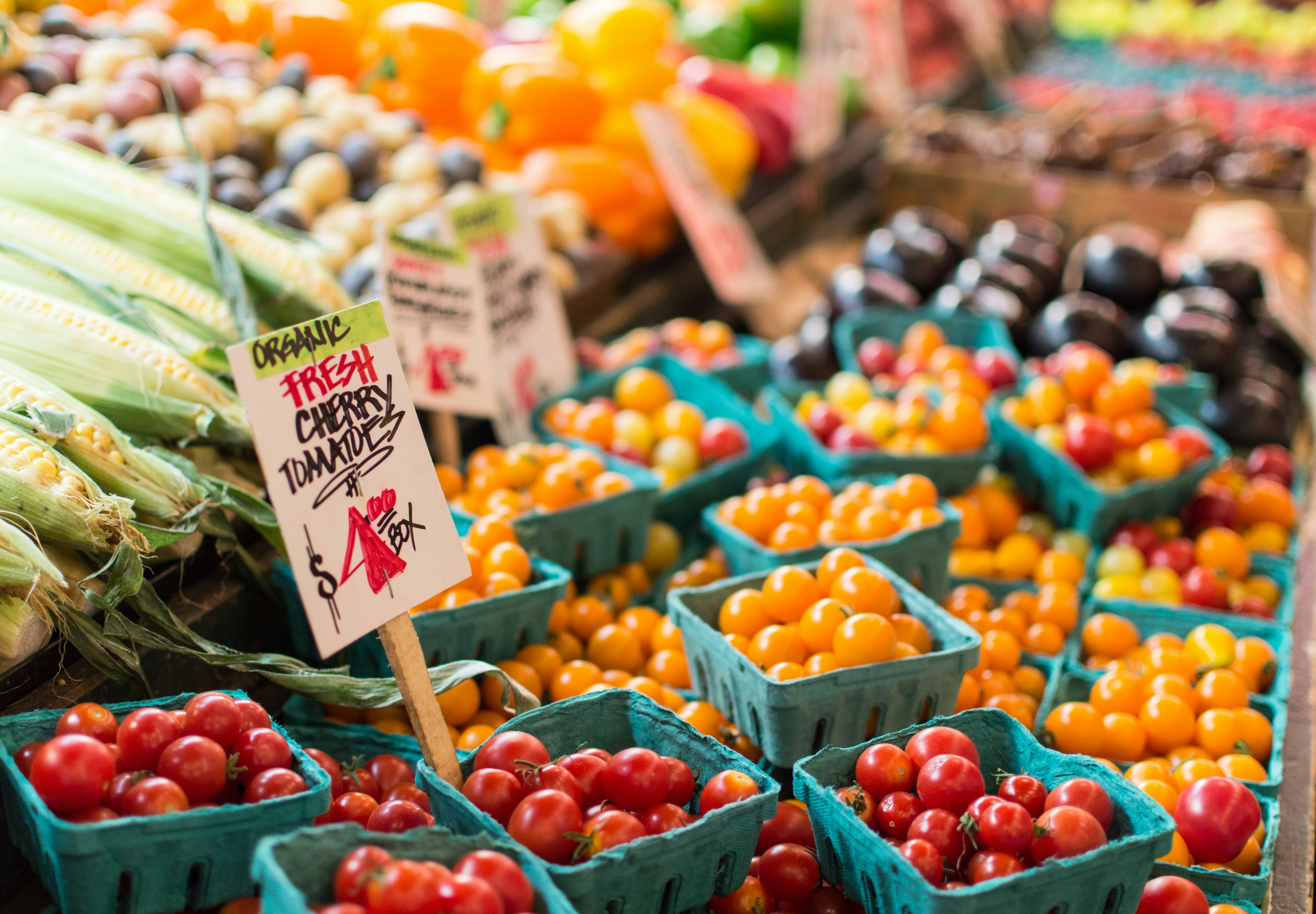
This diversification of protein sources is particularly advantageous during the summer season when local farmers’ markets offer an abundance of fresh produce. When you visit your local market, consider selecting some of the fruits and veggies mentioned below, as they serve as excellent sources of protein.
High-protein fruits include:
- Passion fruit contains 4.8 grams of protein per cup
- Dried apricots have 4.4 grams of protein per cup
- Guava fruit contains 4.2 grams of protein per cup
- Avocados contain 3 grams of protein per cup
High-protein (cooked) vegetables include:
- Green peas contain 8.6 grams of protein per cup
- Spinach contains 5.3 grams of protein per cup
- Asparagus contains 4.3 grams of protein per cup
- Brussels sprouts contain 4 grams of protein per cup
How much protein you need from your diet varies depending on your weight, gender, age and health. Selecting the appropriate protein source can also be contingent upon an individual’s specific lifestyle choices. Therefore, we recommend that you consult with your primary care physician or a registered dietitian to determine the most appropriate level of protein intake so that your daily needs are met.



Leave a Reply